

Why Great Salespeople Feel More Like Coaches Than Salespeople
What if the best salespeople have more in common with great coaches than great persuaders? The strongest sales conversations are built on curiosity, trust, listening, and helping customers see their challenges more clearly.

From Time Management to Token Management: A New Skill for the AI Workplace
As AI becomes part of everyday work, organizations need to move beyond traditional time management and start building a new skill: token management. This means helping employees learn how to prompt AI effectively, provide context, refine outputs, and apply judgment to get better results from the tools they use. The future of workforce capability will depend not just on how well people manage their time, but on how well they manage the interaction between human expertise and AI.
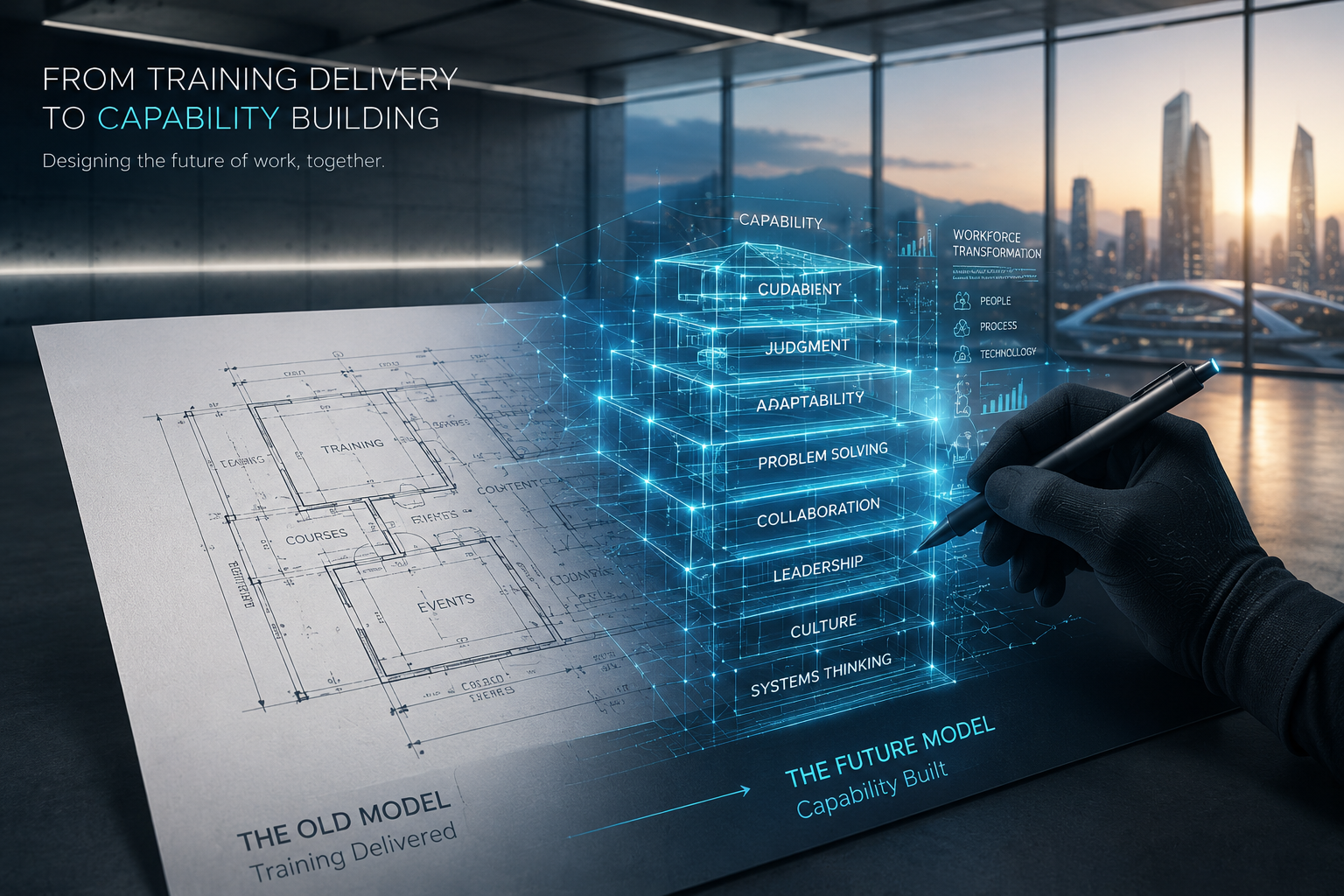
The Future of L&D Is Not Training. It's Workforce Capability.
As artificial intelligence transforms the workplace, the role of Learning and Development is evolving beyond training delivery. This article explores why the future of L&D lies in building workforce capability—developing the judgment, adaptability, problem-solving, and leadership skills organizations need to thrive in an AI-enabled world. Discover how learning leaders can help create agile, future-ready workforces that drive performance and transformation.
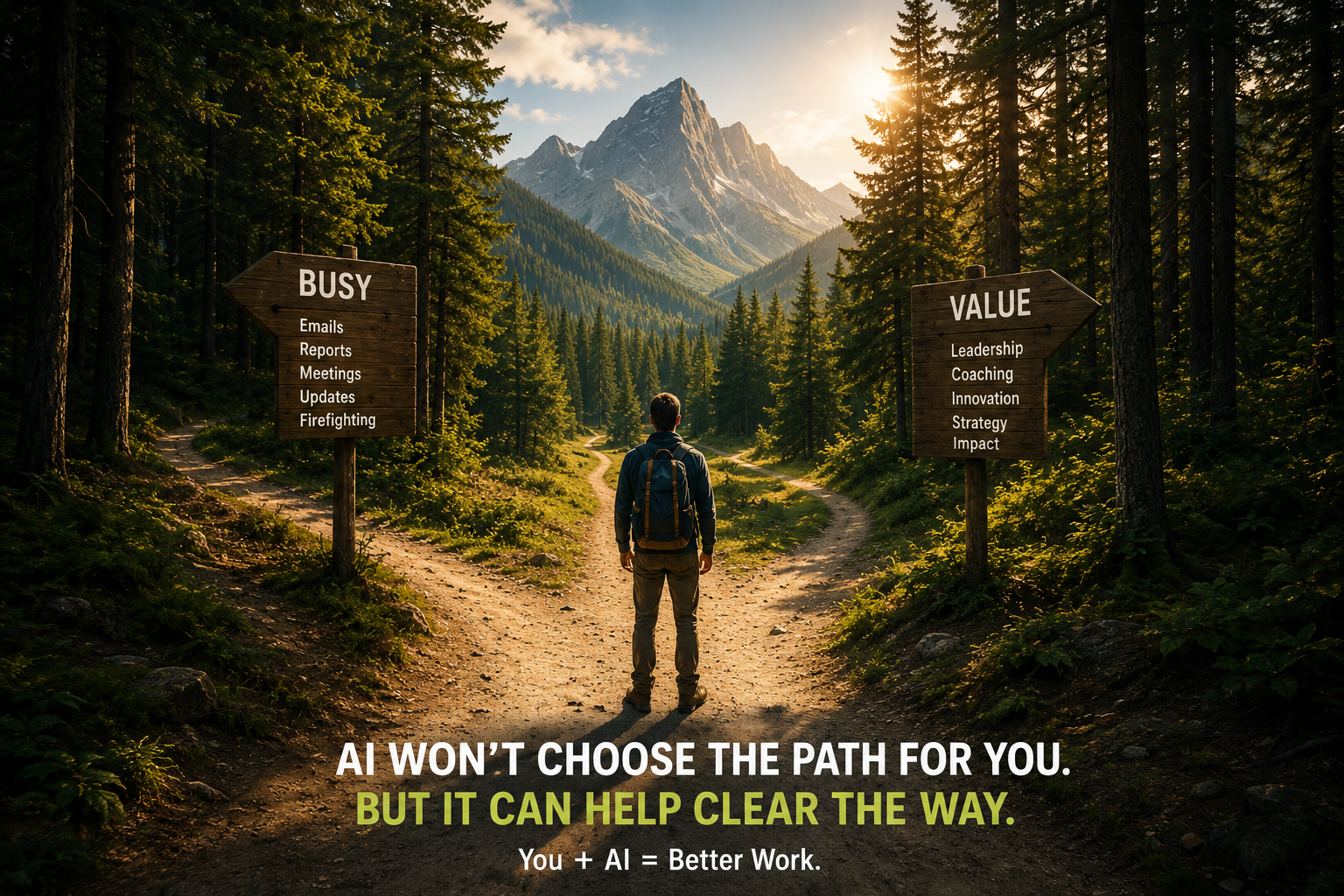
The Work We Were Never Meant to Do
Artificial intelligence is changing more than technology—it is changing how work gets done. While much of the conversation focuses on automation, the real opportunity may be reducing cognitive drudgery and freeing employees to focus on leadership, creativity, problem-solving, and innovation. This article explores how organizations can redesign work, protect employee attention, and use AI to create better work rather than simply faster work.

You + AI = Better Work
AI may change how work gets done, but human capability will determine who succeeds. Explore the role of leadership, learning, and workforce transformation in the age of artificial intelligence.

Organizations Spent 20 Years Teaching Agility to Projects. The Next 20 Years Will Be About Teaching Agility to People.
Agility is no longer confined to project teams and PMOs—it has become a critical organizational capability. As artificial intelligence accelerates the pace of change, organizations must build agile leaders, adaptable employees, and learning cultures that can respond quickly to evolving business demands. This article explores why workforce agility, continuous learning, and organizational adaptability are becoming essential competitive advantages in the age of AI and workforce transformation.

The Leadership Reframe That Speeds Better Decisions
Decision paralysis often stems from perfectionism, not a lack of capability. Cognitive reframing helps leaders shift from fear to curiosity, improving decision-making, leadership agility, and overall performance.

AI Transformation Is Actually an Organizational Development Challenge
There is a fascinating conversation happening right now inside organizations about artificial intelligence. In some ways, it feels remarkably similar to conversations we have seen before during moments of major technological change. Leaders are asking what tools to invest in, what processes can be automated, how quickly teams can adapt, and how organizations can remain competitive in a rapidly shifting environment.
Those are important questions, and organizations absolutely should be thinking seriously about them.

From Manager to Orchestrator: The Leadership Shift No One Is Talking About
Modern leadership is shifting from managing people to orchestrating work across tools, systems, and digital agents, requiring every employee to think and act like a leader. As individuals gain access to scalable outputs and inputs, success depends less on execution and more on the ability to prioritize, align, and direct work with clarity and intention. Without strong leadership skills such as decision-making, delegation, and strategic thinking, increased capability can lead to overwhelm rather than productivity. Organizations that invest in developing leadership as a core capability across all roles will gain a competitive advantage by enabling their people to effectively leverage technology and drive meaningful outcomes.

We’re Over-Engineering Learning—and Missing What Matters Most
Learning doesn’t scale through content. It scales through collisions, the everyday moments where people connect, reflect, and challenge each other’s thinking. If we want real growth, it may be time to rethink where learning actually happens.
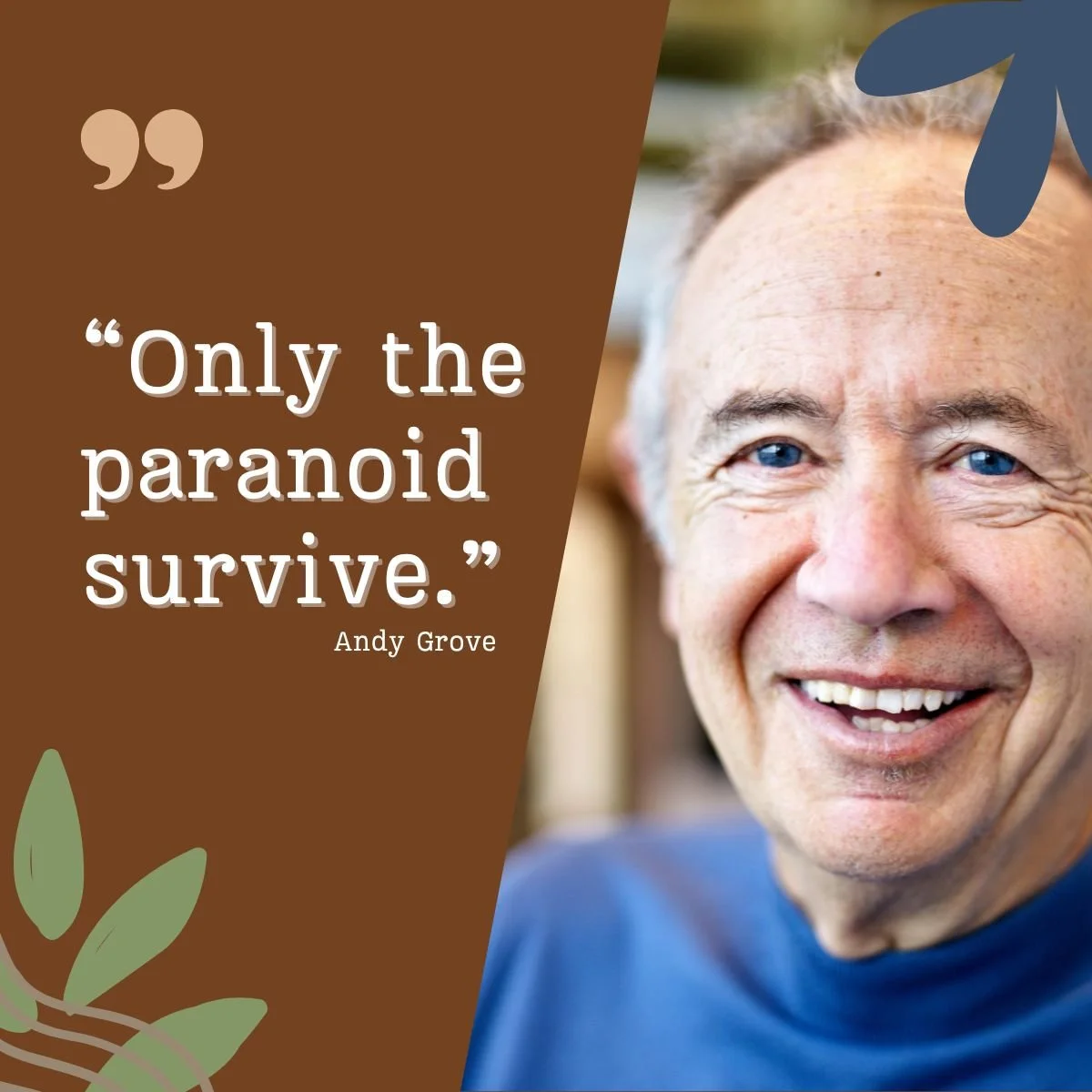
Rethinking Paranoia: What Andy Grove Got Right About Leadership
Great leaders don’t lead from fear. They lead from awareness. Here’s how shifting from anxiety to attunement transforms teams and fuels smarter decisions.

Less Is Louder: What The White Stripes Teach Us About Innovation Through Constraint
The White Stripes’ Rock & Roll Hall of Fame induction reminds us that innovation often comes from limitation. Explore how leaders can harness constraints to fuel creativity and focus.

When One Person Is Coached, an Entire System Begins to Move
Discover how coaching creates lasting change within organizations — not just by transforming individuals, but by shifting the systems, relationships, and cultures around them.

Can People Truly Innovate When They’re Exhausted?
Innovation doesn’t thrive on overwork—it thrives on renewal. When teams are stretched thin, creativity gives way to survival thinking. Rest isn’t a reward for productivity; it’s the foundation for it. This post explores why true innovation requires energy, focus, and psychological safety—and how leaders can create the space for new ideas to emerge.

How Many Direct Reports Should a Manager Really Have?
How many people should a manager directly oversee? It’s a classic organizational design question with no perfect answer.
Many companies lean on the “rule of seven”—the idea that a manager should have no more than seven direct reports. The logic is straightforward: with seven or fewer, a manager can devote enough time, attention, and coaching to each individual. Go beyond that, and the risk grows that some people slip through the cracks.
But like most rules, this one has trade-offs.

Think Big. Act Now.
Vision without execution is just a daydream. Execution without vision is running in circles. Legendary leaders live in both worlds — they build today with tomorrow in mind.

You Don’t Need a Cape to Be a Hero
If you’re solving every problem yourself, you’re not leading — you’re firefighting. Superhero leaders get tired. Empowered teams win championships.

Speed Up Without Burning Out
Perfection is the enemy of progress — but so is carelessness. If you’re always polishing, you’ll miss the moment. If you’re always pushing, you’ll sacrifice quality. Want to win? Learn when to perfect and when to press forward.

Stay Grounded, Aim Higher
Hope is not a strategy. But without hope, no strategy matters. Great leaders don’t choose between optimism and realism — they build bridges between what is and what could be.
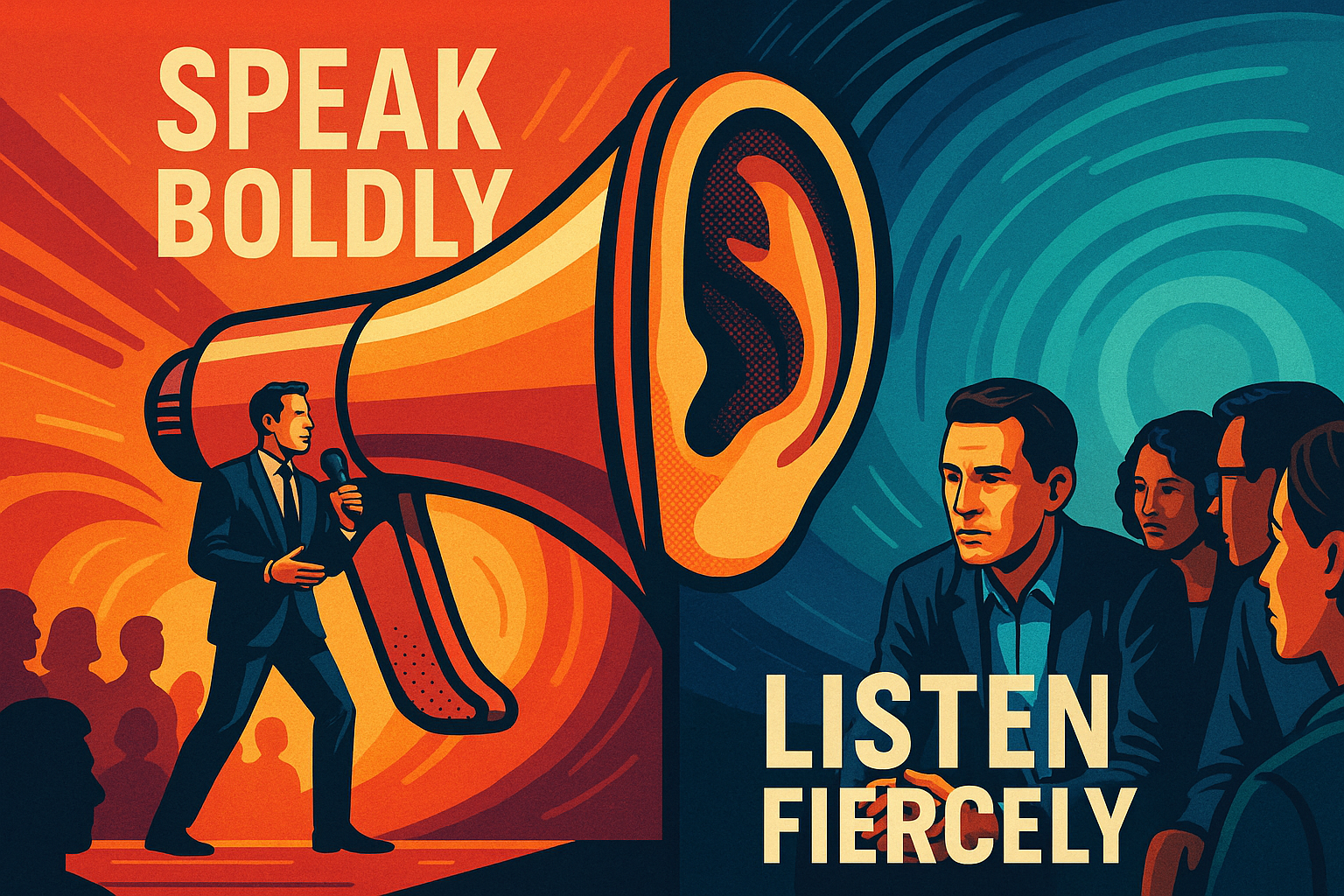
Speak Boldly, Listen Fiercely
The best communicators aren’t the ones who talk the most — they’re the ones who know when to stop talking. If you want buy-in, clarity, and trust, you’ve got to speak with strength and listen like your leadership depends on it — because it does.